
12 Brilliant Interior Design Styles
- Ida Fatou Ceesay
- Sep 2, 2022
- 6 min read


Knowing the distinctions between popular interior design trends can help you fine-tune your unique preferences and create the ideal space when you're decorating a home.
You might have recently moved into a new home or thinking of refurbishing your old home, and you're now trying to decide on the ideal style to outfit it with. We are here to assist you in locating the interior design aesthetic that speaks to you. See below twelve of the most popular interior design trends and housing trends to be aware of, from the chilly north to the far east, from simple minimalism to vibrant boho-eclecticism. See what style matches your vision.
Styles
Bold Eclectic
Glam
Industrial
Mid-Century
Modern Farmhouse
Modern
New Traditional
Rustic
Traditional
Scandinavian
Transitional
Coastal
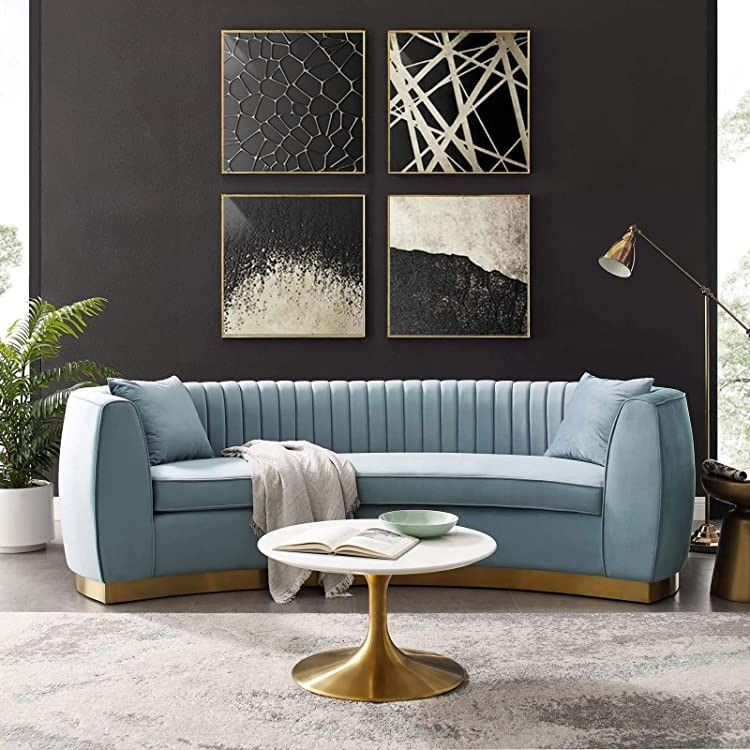
Eclectic interior design is a style that tastefully combines elements from various design eras into one room. It features a casually coordinated set of furnishings and décor that incorporates many different inspirations. Eclectic design generally combines unexpected elements with bold colors and patterns.
Eclectic design is frequently affected by a broad theme, such as boho eclectic (which uses the same principles as eclectic room ideas while adhering to a Bohemian style) or glam eclectic (which makes use of a more saturated and bright palette to create a more "glamorous" and colorful vibe).

In a glam setting, classic, modern, minimalist, and opulent furniture styles are all combined. This design is risky, even in an eclectic space. It has just the right amount of silliness while still staying faithful to its historic influences.
Consider materials like jute, leather, velvet, marble, and others. A high-low contrast is produced by this combination of textures and materials, which is crucial to this design.
This space features a lot of patterns on top of patterns, especially in the eclectic assortment of throw pillows and the intricately patterned carpeting. The materials and furniture designs in this space have a nostalgic feel to them, but the key to pulling off this look is to present it in a contemporary way, whether that's done with the colors you choose, the patterns you combine, or the wall art and decorative accents.

The industrial look, which sprang from necessity in the 1960s and is still popular today, is the most laid-back of all interior design trends. Steel buildings, pipelines, and brick walls are purposefully left exposed to add to the dramatic impression. A comfortable, used-in appearance with a masculine edge is created by patinated wood, weathered leather, and rough concrete. You can make adjustments with pelts and colored velvet cushions in deep hues of rust, green, or blue if you don't want to sacrifice comfort. Add simple plants like cacti, vibrant glassware, an ancient Persian rug, or tin signs from flea market outings for color splashes. Look for DIY ideas and feel free to combine old and modern.

The 1950s and 1960s created more classic designs than any other decade. It's understandable why the mid-century look is still so wildly popular today.
It featured comfortable lounge chairs that exhibited key elements of the mid-century aesthetic: rich, organic curves supported by a delicate metal base meet high-quality natural materials like leather and wood. Not just the chairs but also the kidney tables and sideboards, which are still in high demand today, exhibit these qualities. Rich, textured materials like velvet, corduroy, and bouclé in fir green, strong navy, and purple are also emblematic of 1960s style. The combination of the Mid-century with gleaming brass or chrome accents will round out the opulent and warm inviting style
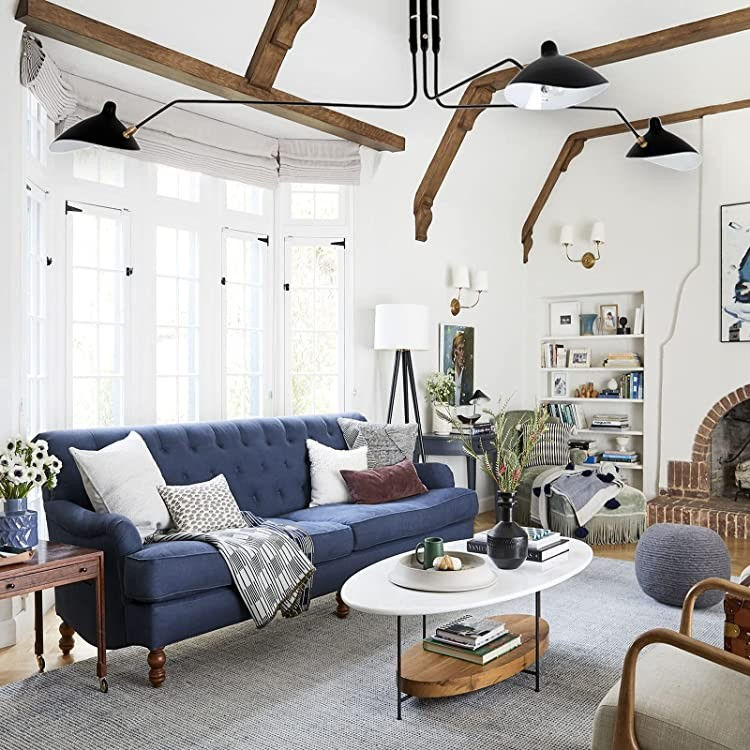
To decorate in a farmhouse-style, you don't even have to live in a rural location or on a farm. You only need to embrace the relaxed atmosphere, pay homage to history, and give off the unmistakable heart-of-the-country sense that characterizes this warm, inviting, and simple design style. This bedroom exemplifies the traditional farmhouse style's emphasis on light and space.
While embracing the modern, modern farmhouse design honors the conventional. A farmhouse bedroom is frequently decorated with discovered artifacts, antiques, or vintage memorabilia.

A monochromatic color scheme, clean lines, minimalism, natural materials, and natural light are characteristics of modern interior design. It especially alludes to a historical aesthetic movement that flourished in the first to middle decades of the 20th century. Modern design is a separate style even if the terms "contemporary design" and "modern design" are frequently used interchangeably.
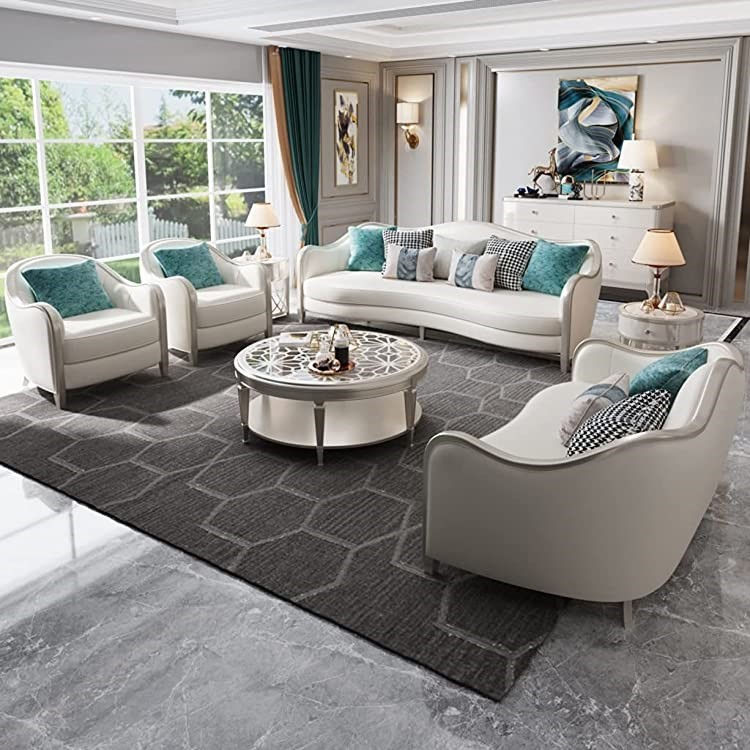
Traditional furniture and décor have a long history and can be quite attractive, but when they are overdone, they can feel heavy, dark, and out of date. The modern aesthetic is sometimes occasionally overly stark, colorless, or uncomfortable, despite having a current, energetic vibe. Fortunately, there is a style that bridges the gap between these two: New Traditional. This fusion of the old and the new highlights the greatest aspects of both, producing a design that is both classic and modern.

Boho and mid-century modern design are both used into the mixed-style appearance known as rustic. You'll have a fashionable yet approachable style as a result. Although it has a lot of distinctiveness, this space will have a feeling of cleanliness and freshness.
To get this contemporary rustic style, start with mid-century modern furniture and combine it with rustic materials and natural textures. Although there are many different colors and patterns merged in this space, the patterns are more organic in nature; there aren't any hard lines or geometric forms here.
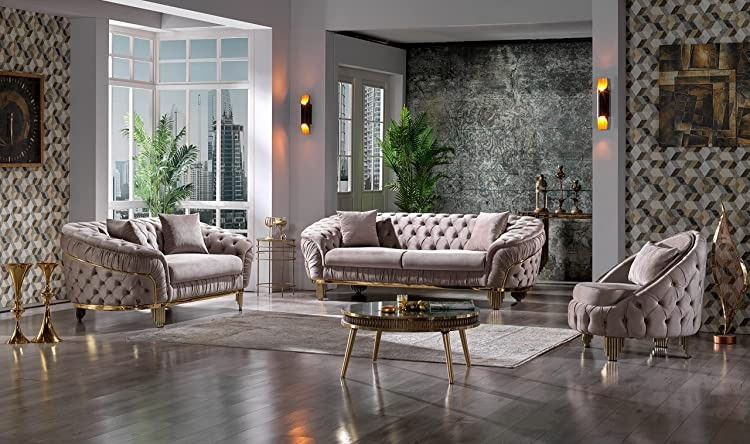
Popular interior design trends often draw inspiration from traditional ideas about how a home should look as well as European styles from the 18th and 19th centuries. Traditional interior design is exactly what it sounds like a time-honored, cozy, comfortable, and anchored in the past home décor aesthetic that is not limited to any one era.
Traditional interior design is timeless, unspecific, well-organized, and pleasant without being unduly ornate. In traditionally designed rooms, the types of furniture, textiles, color schemes, and décor are recognizable rather than cutting edge. For instance, a traditional-style bedroom would include a neutral color scheme, a headboard made of carved wood or upholstery, matching nightstands and table lamps, a chest of drawers, an upholstered armchair and ottoman, and perhaps a wall painting depicting a landscape.

The Danes, Swedes, Norwegians, and Finns adore furniture that is rectilinear, functional, and tidy. Additionally, individuals from all over the world are now drawn to the Scandinavian aesthetic. As a result of the emphasis this design movement focuses on a love of nature, essentially all of the materials used in Nordic design are organic, including native woods, rattan, as well as linen, cotton, and leather.
Frequently, a basic color palette like white, gray, and beige is used to complement this material palette. Most accents are added in pale pastel colors.
As of a few years ago, the aesthetic has given rise to two new interior sub-trends: hygge from Denmark, which emphasizes coziness and warmth, and lagom from Sweden, which aims to preserve resources through deliberate, minimalist design decisions. These northern trends, hygge, lagom, or a more traditional Scandi aesthetic are not only functional and welcoming but also simple to incorporate into various interior design aesthetics.

The definition of transitional style is sometimes given as a harmonious blending of classic and modern furnishings and design. Due to the fact that transitional decor frequently spans several decades and always looks fashionable, many people who want a "lighter" traditional look opt for it. The conventional lines of transitional décor are preserved, but the colors and furnishings tend to look more contemporary.
While traditional styling is fussier, transitional décor celebrates smooth lines and cozy furnishings. Color schemes typically adhere to contemporary design principles and are maintained to a minimum. That doesn't imply there are only neutral colors on the table, but there might be less colors used in the decor as a whole. On the other hand, the design isn't as striking as what one would generally find in a contemporary setting. With textures, colors, and furnishings that somehow seem to work together flawlessly, it combines elements of both styles.
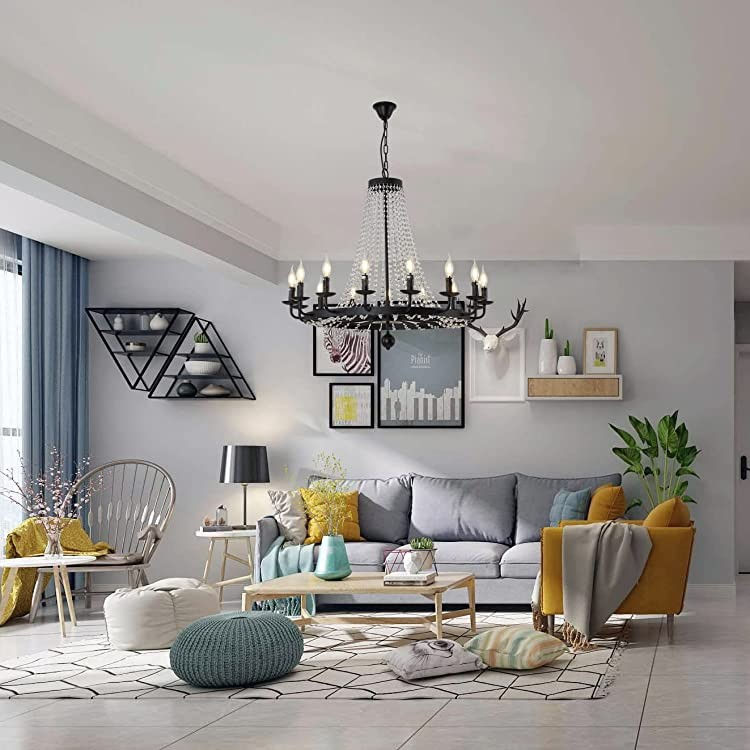
Coastal design may be right up your alley, regardless of whether you live near the seaside or merely want for interior spaces that reflect a breezy, beach-like ambiance.
Use vibrant, light colors with accents of navy or other shades of blues and greens. A few distinct neutral color families are used to define the coastal design. Think about sand, clouds, and the sea to get an idea of the colors used in coastal design.
Comments